
The Artistry of Sand Sculptures: Crafting Temporary Masterpieces Along the Shoreline
The Artistry of Sand Sculptures: Crafting Temporary Masterpieces Along the Shoreline
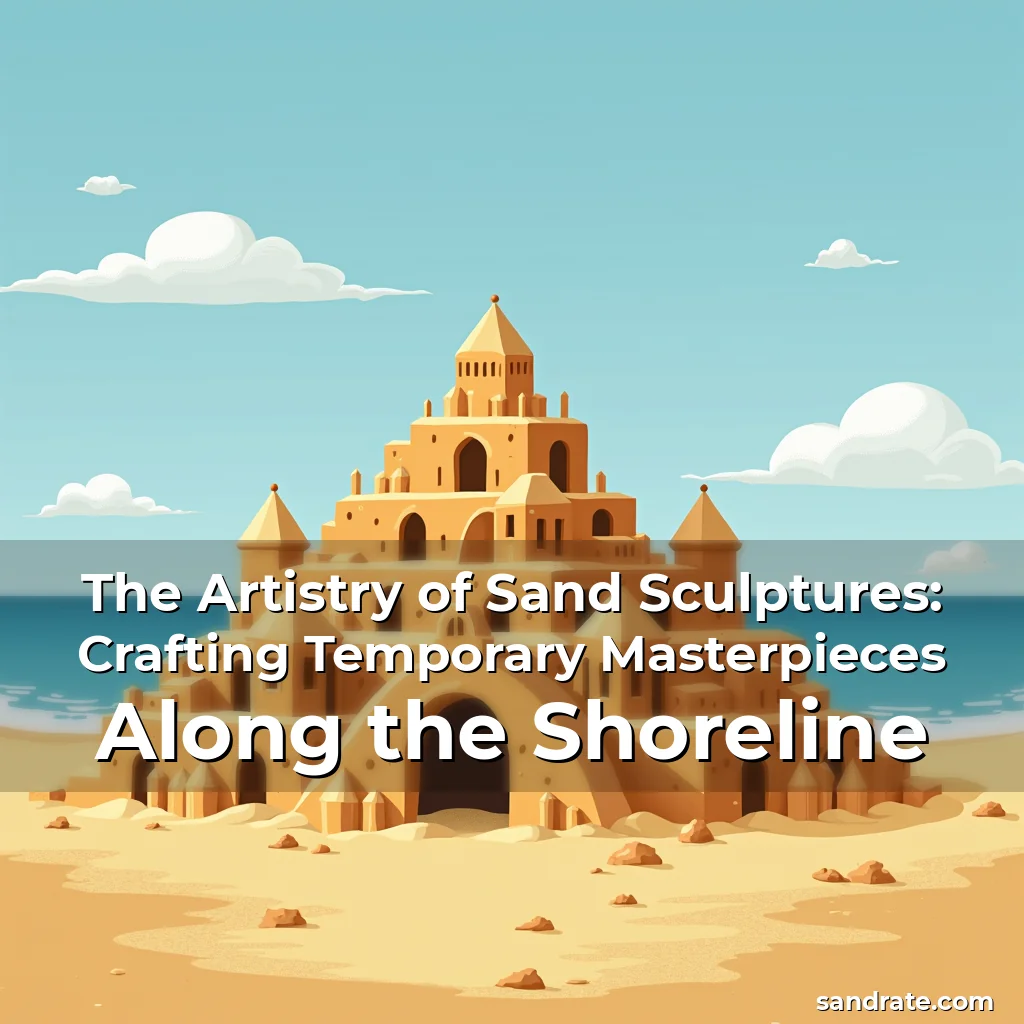
Sand sculptures have long captivated people with their ephemeral beauty, transforming ordinary grains of sand into breathtaking works of art that exist only until the tide rolls in. These intricate creations are both a testament to human creativity and an ode to nature’s impermanence.
From towering castles with spiraling towers to delicate seashell patterns etched into wet sand, each sculpture tells a story of its maker’s imagination and skill. The sandrate community has embraced these transient masterpieces as a celebration of coastal life and artistic expression.
The Origins and Evolution of Sand Sculpting
Though often associated with modern beach culture, sand sculpting has ancient roots dating back thousands of years. Archaeological evidence suggests that early civilizations used sand and water to create symbolic structures along riverbanks and coastlines.
In Japan, sand mandalas created by Buddhist monks date back over a thousand years. These intricate designs were made using fine sand and carefully crafted tools, symbolizing the transience of life itself.
During the Renaissance period, European artists began experimenting with sand modeling techniques. They discovered that mixing sand with water could produce durable forms suitable for architectural studies and miniature landscapes.
The practice gained wider popularity in the 19th century when seaside resorts became fashionable destinations. Wealthy travelers brought with them a fascination for creating elaborate beachfront displays during their vacations.
Modern sand sculptors today combine traditional methods with contemporary innovations, using specialized carving tools and advanced compaction techniques to achieve remarkable levels of detail and complexity.
- Cultural Significance: Many cultures view sand art as a form of meditation, reflecting the impermanence of existence through temporary creations.
- Educational Value: Schools increasingly incorporate sand sculpting into curricula to teach geometry, physics, and environmental science principles.
- Community Building: Beach festivals around the world feature competitive sand sculpting events that bring together artists from diverse backgrounds.
The Science Behind Successful Sand Sculpture Creation
To understand how professional sculptors transform loose grains into enduring artworks, we must first examine the scientific properties of sand and the role of moisture in shaping these temporary wonders.
American geologist Robert H. Dott Jr. identified three key factors influencing sand behavior: grain size, mineral composition, and moisture content. Fine-grained silica sands found near coasts typically provide ideal conditions for sculpting.
Water acts as a natural binder between individual grains, allowing them to hold shape temporarily before gravity and wave action cause erosion. Skilled sculptors know precisely how much water to add based on local sand types.
When properly saturated, sand becomes cohesive enough to support complex shapes while remaining malleable for adjustments. This balance is crucial for achieving structural integrity without compromising aesthetic appeal.
Optimal Moisture Levels for Different Sand Types
Coastal environments offer varying sand compositions that affect optimal sculpting conditions. Sandy beaches with high quartz content respond differently than silty shorelines with organic matter.
Studies conducted by oceanographers at Scripps Institution of Technology show that the perfect water-to-sand ratio varies between 6% and 18%, depending on particle size distribution and ambient temperature.
Professional sculptors often conduct quick tests by squeezing handfuls of sand to determine workability. If the sand holds its shape but doesn’t clump excessively, it indicates an ideal consistency for sculpting.
This empirical approach allows artists to adapt quickly to changing environmental conditions, ensuring they can work efficiently even under time constraints imposed by incoming tides.
Master Techniques Used by Professional Sand Sculptors
Seasoned professionals employ sophisticated techniques honed through years of practice and experimentation. Their methods go far beyond simple stacking and digging, incorporating engineering principles and artistic vision.
One fundamental technique involves layering different textures and colors to create visual depth. By blending natural hues with pigments derived from crushed shells or minerals, artists can achieve striking color contrasts.
Carving tools range from simple hand-carved wooden implements to precision instruments designed specifically for sand sculpting. Some artists develop custom tool kits tailored to their preferred styles and project requirements.
Structural reinforcement plays a critical role in maintaining the stability of large-scale works. Artists may embed mesh frameworks or apply bonding agents to prevent collapse from wind or waves.
Making molds for intricate components requires careful preparation. Silicone rubbers and flexible plastics allow for precise replication of details, enabling the creation of complex decorative elements.
Weather forecasting is essential for large projects. Knowing tidal patterns helps sculptors plan construction timelines and choose appropriate locations where their artwork will remain intact longest.
- Layering Technique: Applying successive thin layers enhances dimensional accuracy and reduces risk of structural failure.
- Pigment Application: Natural dyes extracted from seaweed, shell fragments, and mineral deposits offer vibrant yet environmentally friendly coloring options.
- Dry vs Wet Methods: Dry sand sculpting produces sharper edges but lacks cohesion, whereas wet methods allow for smoother curves and more fluid forms.
Famous Sand Sculpture Competitions Around the World
Competitive sand sculpting has grown into a global phenomenon, drawing participants from every continent who showcase their skills at prestigious international events.
The World Championship of Sand Sculpting takes place annually in Santa Monica, California. This event attracts top-tier artists who compete across various categories including speed sculpting and freestyle design.
In Denmark, the annual Nordstrand Festival features a grand competition where teams build monumental works within strict time limits. Winners receive recognition from the International Association of Sand Artists.
Japan hosts the Kanagawa Sand Museum’s international competitions, which emphasize intricate detailing and thematic storytelling through sand art installations.
These events serve as platforms for emerging talent while preserving traditions passed down through generations of sand artisans.
The Environmental Impact of Sand Sculpting
While sand sculpting offers numerous benefits, responsible practitioners consider its ecological implications. Understanding how these activities interact with marine ecosystems is crucial for sustainable practices.
Excessive excavation can disrupt beach profiles, affecting sediment transport processes vital to shoreline dynamics. However, many organizations promote eco-friendly sculpting guidelines to minimize such impacts.
Artists participating in official competitions often follow regulations limiting the amount of sand removed from designated areas. These rules help maintain natural habitats for intertidal species.
Some initiatives encourage the use of recycled materials for bases or supports, reducing reliance on virgin resources. Additionally, post-event restoration efforts aim to return beaches to their original condition.
Environmental education programs now integrate sand sculpting demonstrations to raise awareness about coastal conservation issues among younger audiences.
Getting Started With Your Own Sand Sculpture Journey
For beginners eager to explore this captivating art form, starting small with basic techniques provides an excellent foundation. Essential supplies include buckets, shovels, and water containers.
Selecting the right location is crucial. Look for sheltered spots away from strong currents and high wave activity. Early morning hours often provide ideal working conditions with lower temperatures.
Practice fundamental skills like building walls, making arches, and creating smooth surfaces. Experiment with different tools to discover what feels most comfortable for your style.
Observe existing sculptures for inspiration but strive to develop your own creative voice. Remember that mistakes are part of the learning process – each failed attempt teaches something new.
Join online communities or attend workshops led by experienced sculptors to gain practical knowledge and connect with fellow enthusiasts.
Beyond the Beach: Innovative Applications of Sand Sculpting
While traditionally associated with coastal settings, sand sculpting techniques have found applications in unexpected fields ranging from architecture to digital media.
Architectural firms sometimes use sand models to visualize building designs before constructing full-scale prototypes. These physical representations allow for hands-on exploration of spatial relationships.
Digital artists have adapted sand sculpting principles for virtual environments, creating interactive simulations that mimic real-world material behaviors.
Science educators utilize sandbox experiments to demonstrate geological formations, erosion patterns, and fluid mechanics in classroom settings.
Therapists working with children with developmental disorders find sand play beneficial for sensory integration and motor skill development.
Urban planners experiment with temporary sand installations to test pedestrian flow patterns and public space configurations before permanent construction begins.
Preserving the Legacy of Sand Sculpting Through Education
Ensuring the continuation of this rich tradition requires dedicated educational efforts aimed at nurturing future generations of sand artists.
Schools and museums worldwide host special programs teaching students about historical sand art traditions alongside modern sculpting techniques.
Workshops combining art instruction with STEM subjects demonstrate how creativity intersects with scientific inquiry in meaningful ways.
Younger learners benefit from guided experiences that blend tactile engagement with conceptual understanding, fostering appreciation for both aesthetics and natural sciences.
By integrating sand sculpting into broader cultural narratives, educators help preserve this unique art form while inspiring innovation and cross-disciplinary exploration.
Conclusion
Sand sculpting represents a fascinating intersection of art, science, and environmental consciousness. Its allure lies not only in the final product but also in the process of transformation from raw material to finished masterpiece.
Whether you’re an aspiring artist or simply curious about this ephemeral medium, exploring sand sculpting offers opportunities for personal growth, creative expression, and deeper connection with our planet’s natural rhythms.